BLOG
- CRIS-J
- Atlas HOPE
- Women Rising
- Supervised Release
- Digital Equity
- Recovery (the NEST)
- Care Management
- Housing
- Employment Services
- Education
- Family Services
- Alternatives to Incarceration
- Mental Health
- Substance Use
- Treatment Services
- Health Services
- Benefits Application Assistance
- Food and Nutrition
- Creative Arts
- Transitional Services
- DRCPP
- Events
- Participant Stories
- 2024
- 2025
- 2026
- AAPI
- activities
- advocacy
- affordable housing
- album release
- Annual Gala
- Anthony Rivera
- art
- Arts
- arts community
- Arts Festival
- Asian American
- ATI
- Atlas
- behavioral health
- Behind Bars
- Behind the bird
- benefits
- benefits access
- Better Living Center
- Beyond Release
- Black History Month
- BLC
- block party
- Bloomberg Fellowship
- book club
- bronx
- business owner
- C-CAP
- Career
- career readiness
- Career Readiness for Reentry
- career success
- CARES Act
- case management
- case manager
- Castle
- Castle Gardens
- castle play
- CEO
- chef troy
- Children
- choir
- Community
- community event
- counseling
- court advocacy
- court mandate
- creative
- Creative Arts
- CRIS-J
- culinary arts
- cybersecurity awareness month
- david rothenberg
- David Rothenberg Center for Public Policy
- DE
- DEI
- Delacorte
- desistance
- dest2nation
- Digital
- Digital Divide
- digital equity
- digital skills
- Diversity Equity and Inclusion
- donate
- DRCPP
- Drone
- Education
- election
- employment
- employment assistance
- employment services
- emplyoment
- entrepreneurship
- event
- exhibition
- fair
- fair chance for housing
- fair housing
- Fair Housing Month
- family
- family services
- Father's Day
- fatherhood
- film project
- food
- food and nutrition
- food insecurity
- food pantry
- food pantry bronx
- Fortune Faces
- Fortune Flyers
- Fortune Fresh. food access
- Fortune News
- fortune programs
- Fortune Singers
- Fortune staff
- Fortune50
- Freedom House
- fundraising
- Gala
- Gala2021
- gallery
- gardening
- GED
- giving
- group therapy
- Grow with Google
- guide
- GWG
- harlem block party
- healing
- health
- healthcare
- Healthcare Coordination
- healthy lifestyle
- Heritage Month
- HIV
- HIV/AIDS
- holiday party
- Hope and Justice
- housing
- HSE
- identity theft
- interns
- internship
- Joe's Pub
- Journey
- Justice in Action
- Labor Day
- leadership
- learning
- legislation
- legislative priorities
- LGBT
- LGBTQ
- LGBTQIA+
- mandaela
- Mandaela Community
- Marathon
- Martin Luther King Day
- mass incarceration
- Medicaid
- medical student
- Mental Health
- mental health treatment
- mentor
- mixtape
- mock interview
- MoMA
- MoMA PS1
- mothers day
- Music Cafe
- musical
- Native American
- NEST
- new hire
- new program
- new year
- New Year Message
- New York City
- newsletter
- nutrition
- nutrition counseling
- NYC Marathon
- online safety
- organizing
- Pacific Islander
- pantry
- parenting
- parents
- Participant Stories
- Path
- peer support
- Performance
- performing arts
- play
- policy
- policy center collective
- Pride
- Pride Month
- priorities
- professional
- professional development
- public benefits
- public health
- Public Theater
- Public Works
- readiness
- reconnecting
- Recovery
- reentry
- research
- research center
- Resource Guide
- resources
- RISE
- Rob DeLeon
- robotics
- Runner
- second chance month
- service center
- Shakespeare in the Park
- Shelter
- short film
- show
- skill building
- skills building
- sky garden
- SNAP
- Solitary Confinement
- spring
- SRP
- staff
- staff highlight
- staff stories
- Stanley
- Stanley Richards
- storytelling
- substance use
- substance use treatment
- Success
- success story
- successful reentry
- supervised release
- support
- supportive housing
- Systems Babies
- Tax
- tax season
- tax services
- Taxes
- taxi
- Tech
- Tech Fair
- tech workshops
- Technology
- tempest
- Thanksgiving
- The NEST
- theatre
- therapy
- Training
- trans women
- transitional services
- treatment
- victor rojas
- visual art
- Volunteer
- volunteering
- voting
- webinar
- weekly groups
- WHM
- WIBO
- women
- Women rising
- Womens History Month
- workshop
- YEC
- youth
- youth justice
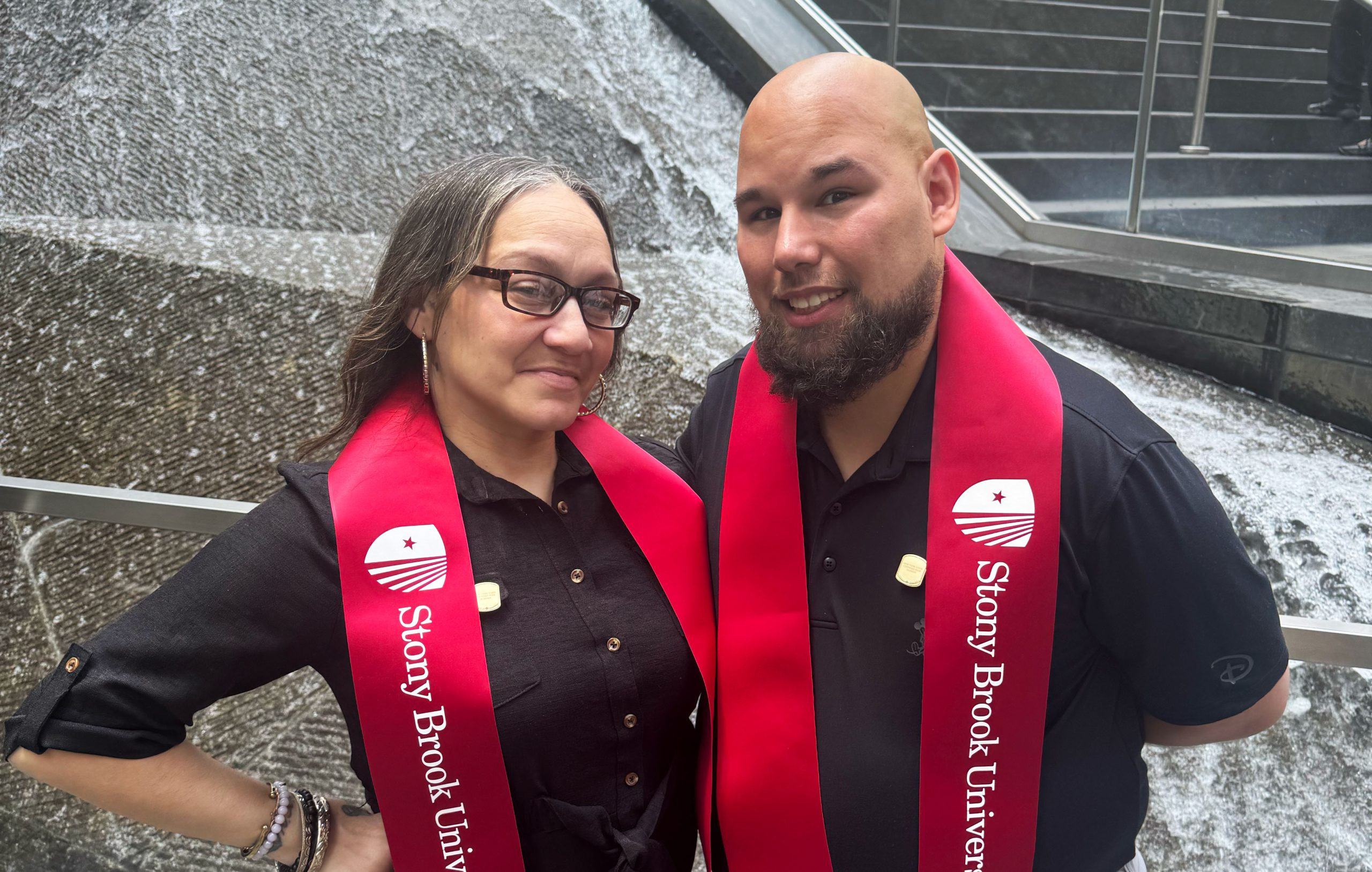
Celebrating Jamile and Adrian’s Peer Certification
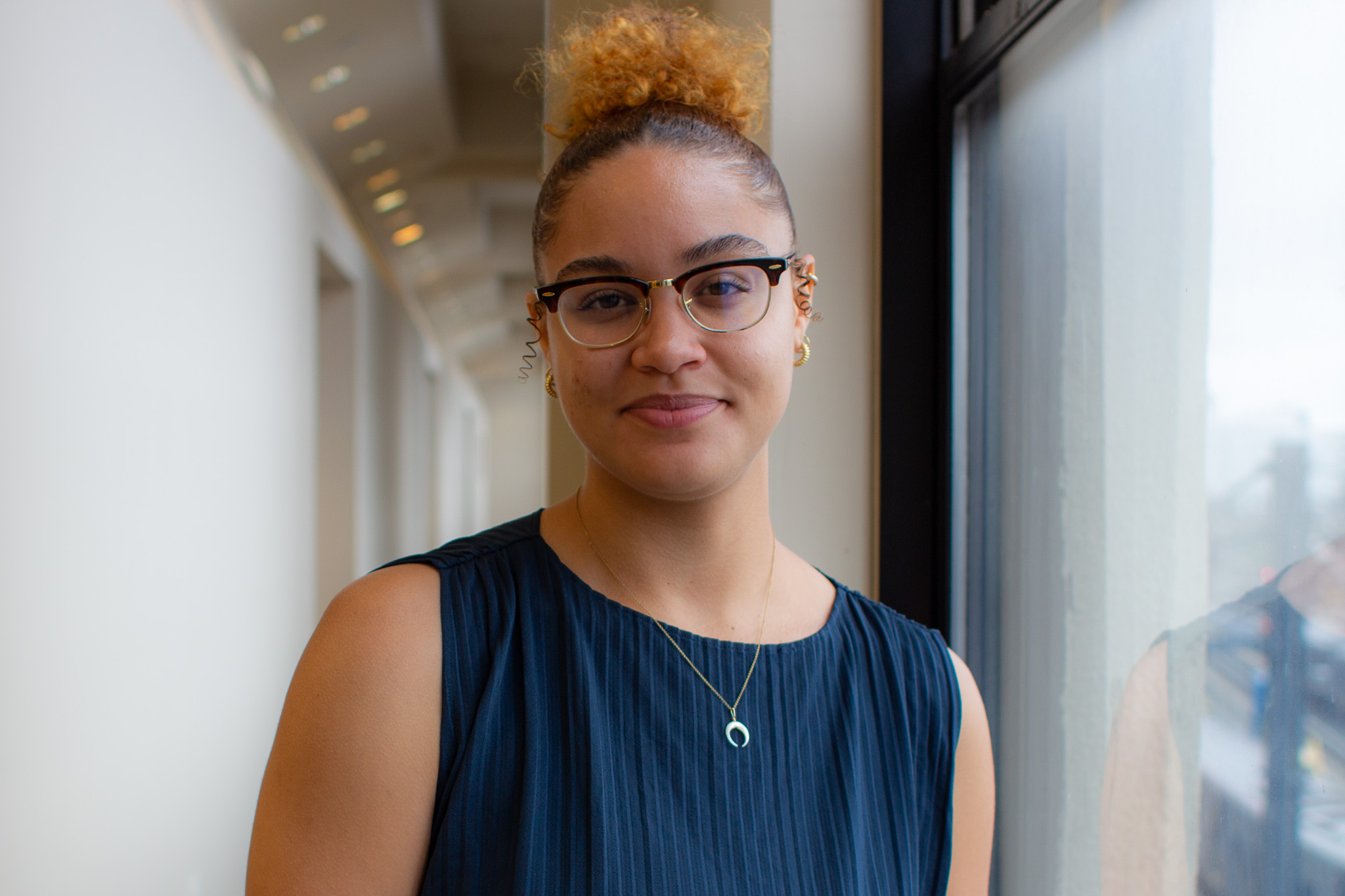
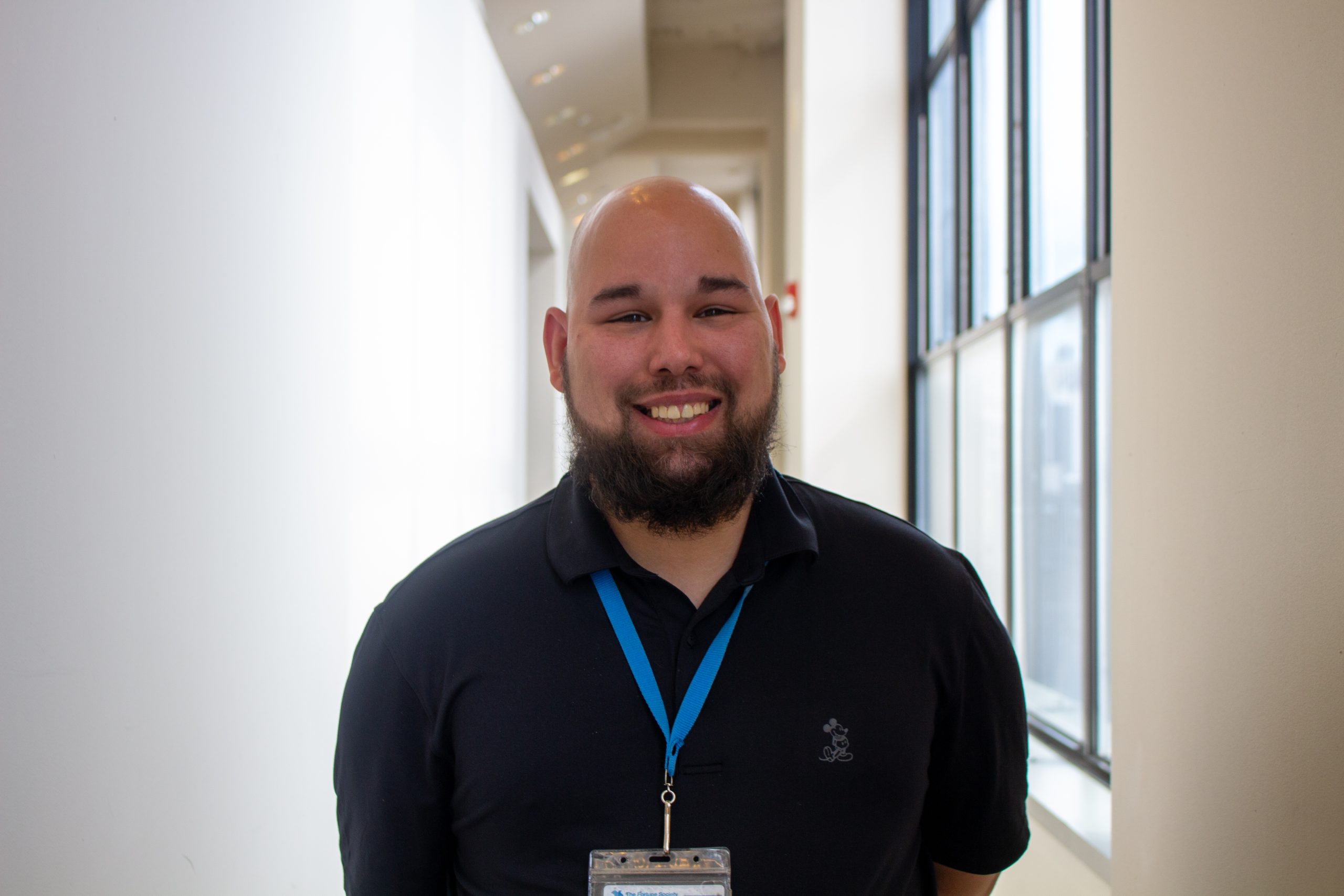
We are proud to recognize the accomplishments of Jamile Torres and Adrian Centeno, who earned their Peer Worker Certifications from The New York State Department of Health AIDS Institute’s HIV Education and Training Programs, administered by the Center for Public Health Education program at Stony Brook University, School of Health Professions
The AIDS Institute’s Peer Worker Certification Program recognizes the unique role peers play in helping people connect to care and stay engaged in services. By drawing on their lived experience, peers can support others who have shared experiences by employing trust, respect and care.
Jamile and Adrian are Community Health Advocates at Fortune’s Center for Research, Inquiry, and Social Justice (CRIS-J), contributing to the DEST2nation study, a collaborative research initiative between Fortune and Montefiore/Einstein. Through this partnership, we have collectively co-developed an HIV status-neutral treatment and prevention intervention, providing peer navigation and supportive services to Fortune participants. In their roles as Community Health Advocates, Jamile and Adrian help participants navigate care, connect to resources and feel supported as they move through internal and external health systems.
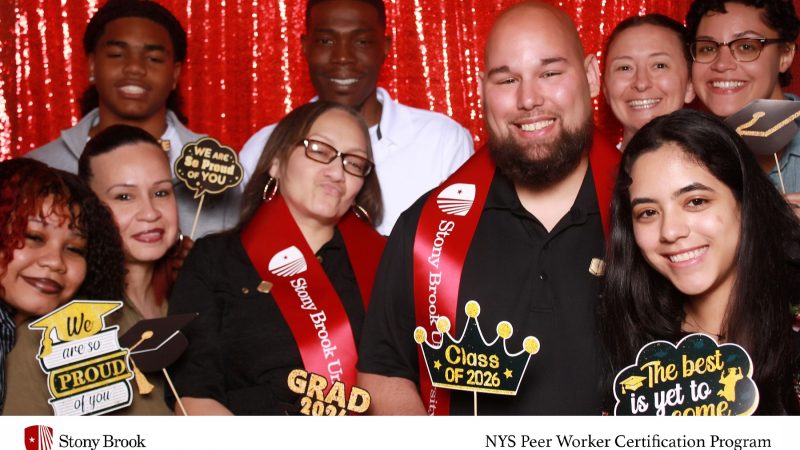
Jamile and Adrian’s accomplishments are even more notable considering they are the first two people to receive peer certifications through the inaugural Criminal Justice track. Through this track, peer workers with a history of criminal legal system involvement are prepared to support individuals impacted by incarceration, reentry and the systems they often must navigate when returning to the community. Adrian shared, “I think professionally, it opens up doors of opportunity – organizations and policymakers could really use our insight.”
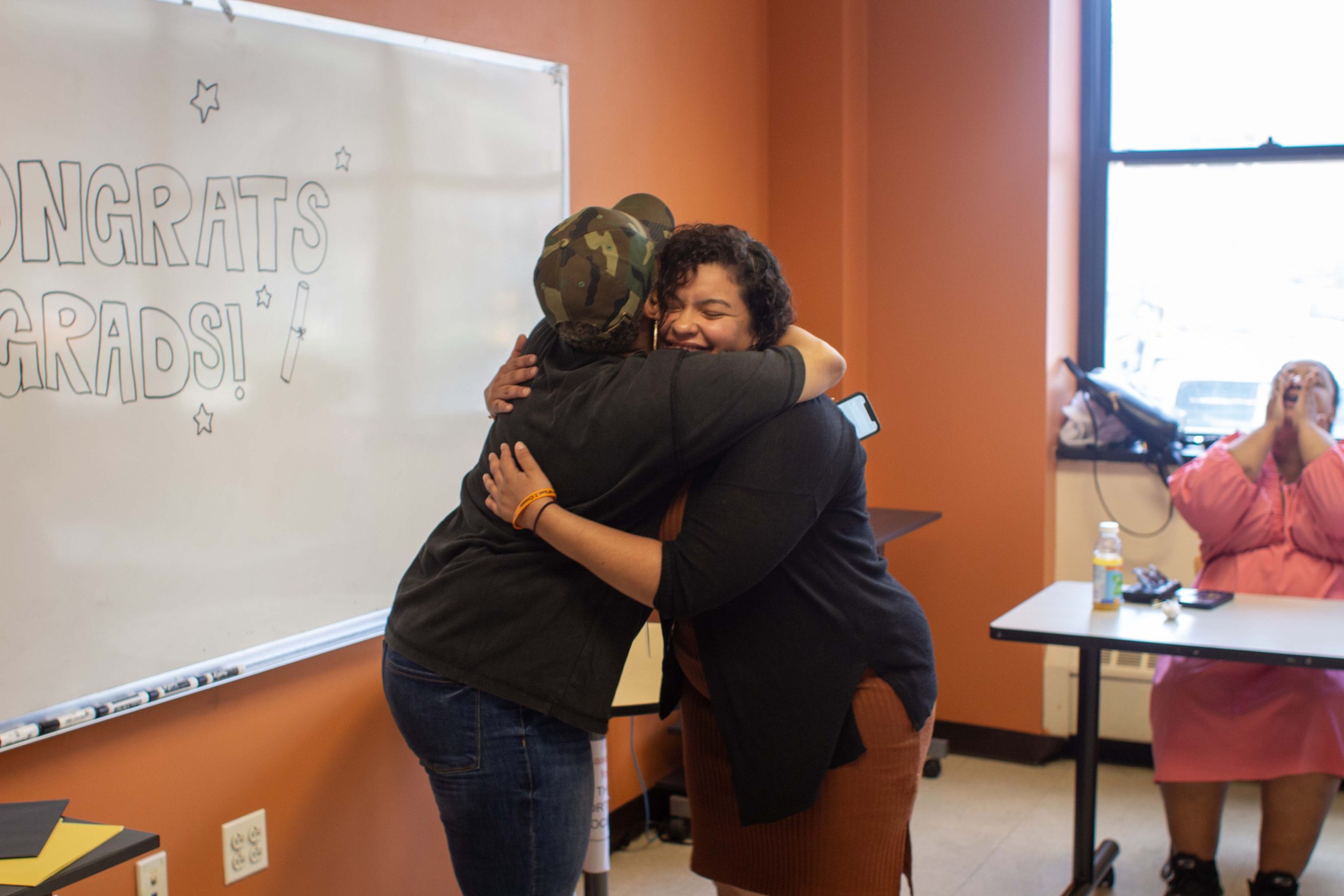
For Jamile, this certification was a big achievement, one she celebrated with her family and friends. “It made me feel like I can do anything that I actually put my mind to,” Jamile shared. She feels empowered in her ability to help more people by sharing her lived experience with participants and supporting them with trust and compassion.
Jamile and Adrian completed over 175 hours of training connected to the realities of reentry and community-based care. This included learning more about the role of peer workers in community reentry, continuity of HIV, HCV and PrEP care when people are coming home from correctional settings, sexual health in the context of reentry and the New York State criminal legal system. The track also focuses on how peer workers can support people with needs related to housing, food, employment, transportation, social support, health care, stigma and other barriers that can shape someone’s reentry experience.
Adrian also completed the HIV track, adding another layer to the knowledge and support he brings to participants and the Fortune community. The HIV track included enhanced training on how to connect participants to HIV prevention, testing, and treatment. This training strengthened his ability to support participants with accurate information, care navigation, and through difficult and/or sensitive conversations. It is important to Adrian to share his experience living with HIV, showing participants that it is possible to live a healthy life without internalizing the stigmas present in society.

“I always try to let participants know that when they go to the doctor, they should advocate for themselves and ask questions,” Adrian said. “If a doctor suggests something for them, ask: What are the side effects? How will this benefit my health? Could it harm me?”
Their work through DEST2Nation is a reminder of the power of peer support, community-based care and investing in staff who are deeply connected to the communities they serve.