BLOG
- CRIS-J
- Atlas HOPE
- Women Rising
- Supervised Release
- Digital Equity
- Recovery (the NEST)
- Care Management
- Housing
- Employment Services
- Education
- Family Services
- Alternatives to Incarceration
- Mental Health
- Substance Use
- Treatment Services
- Health Services
- Benefits Application Assistance
- Food and Nutrition
- Creative Arts
- Transitional Services
- DRCPP
- Events
- Participant Stories
- 2024
- 2025
- 2026
- AAPI
- activities
- advocacy
- affordable housing
- album release
- Annual Gala
- Anthony Rivera
- art
- Arts
- arts community
- Arts Festival
- Asian American
- ATI
- Atlas
- behavioral health
- Behind Bars
- Behind the bird
- benefits
- benefits access
- Better Living Center
- Beyond Release
- Black History Month
- BLC
- block party
- Bloomberg Fellowship
- book club
- bronx
- business owner
- C-CAP
- Career
- career readiness
- Career Readiness for Reentry
- career success
- CARES Act
- case management
- case manager
- Castle
- Castle Gardens
- castle play
- CEO
- chef troy
- Children
- choir
- Community
- community event
- counseling
- court advocacy
- court mandate
- creative
- Creative Arts
- CRIS-J
- culinary arts
- cybersecurity awareness month
- david rothenberg
- David Rothenberg Center for Public Policy
- DE
- DEI
- Delacorte
- desistance
- dest2nation
- Digital
- Digital Divide
- digital equity
- digital skills
- Diversity Equity and Inclusion
- donate
- DRCPP
- Drone
- Education
- election
- employment
- employment assistance
- employment services
- emplyoment
- entrepreneurship
- event
- exhibition
- fair
- fair chance for housing
- fair housing
- Fair Housing Month
- family
- family services
- Father's Day
- fatherhood
- film project
- food
- food and nutrition
- food insecurity
- food pantry
- food pantry bronx
- Fortune Faces
- Fortune Flyers
- Fortune Fresh. food access
- Fortune News
- fortune programs
- Fortune Singers
- Fortune staff
- Fortune50
- Freedom House
- fundraising
- Gala
- Gala2021
- gallery
- gardening
- GED
- giving
- group therapy
- Grow with Google
- guide
- GWG
- harlem block party
- healing
- health
- healthcare
- Healthcare Coordination
- healthy lifestyle
- Heritage Month
- HIV
- HIV/AIDS
- holiday party
- Hope and Justice
- housing
- HSE
- identity theft
- interns
- internship
- Joe's Pub
- Journey
- Justice in Action
- Labor Day
- leadership
- learning
- legislation
- legislative priorities
- LGBT
- LGBTQ
- LGBTQIA+
- mandaela
- Mandaela Community
- Marathon
- Martin Luther King Day
- mass incarceration
- Medicaid
- medical student
- Mental Health
- mental health treatment
- mentor
- mixtape
- mock interview
- MoMA
- MoMA PS1
- mothers day
- Music Cafe
- musical
- Native American
- NEST
- new hire
- new program
- new year
- New Year Message
- New York City
- newsletter
- nutrition
- nutrition counseling
- NYC Marathon
- online safety
- organizing
- Pacific Islander
- pantry
- parenting
- parents
- Participant Stories
- Path
- peer support
- Performance
- performing arts
- play
- policy
- policy center collective
- Pride
- Pride Month
- priorities
- professional
- professional development
- public benefits
- public health
- Public Theater
- Public Works
- readiness
- reconnecting
- Recovery
- reentry
- research
- research center
- Resource Guide
- resources
- RISE
- Rob DeLeon
- robotics
- Runner
- second chance month
- service center
- Shakespeare in the Park
- Shelter
- short film
- show
- skill building
- skills building
- sky garden
- SNAP
- Solitary Confinement
- spring
- SRP
- staff
- staff highlight
- staff stories
- Stanley
- Stanley Richards
- storytelling
- substance use
- substance use treatment
- Success
- success story
- successful reentry
- supervised release
- support
- supportive housing
- Systems Babies
- Tax
- tax season
- tax services
- Taxes
- taxi
- Tech
- Tech Fair
- tech workshops
- Technology
- tempest
- Thanksgiving
- The NEST
- theatre
- therapy
- Training
- trans women
- transitional services
- treatment
- victor rojas
- visual art
- Volunteer
- volunteering
- voting
- webinar
- weekly groups
- WHM
- WIBO
- women
- Women rising
- Womens History Month
- workshop
- YEC
- youth
- youth justice
Advancing Equity Through Community-Informed Research
At The Fortune Society, the Center for Research, Inquiry, and Social Justice (CRIS-J) conducts research aimed at promoting equity and justice while highlighting the perspectives of people impacted by the criminal legal system. This essential work brings together diverse individuals and backgrounds, including community members, service providers, advocates, and researchers, to inform and create meaningful change.
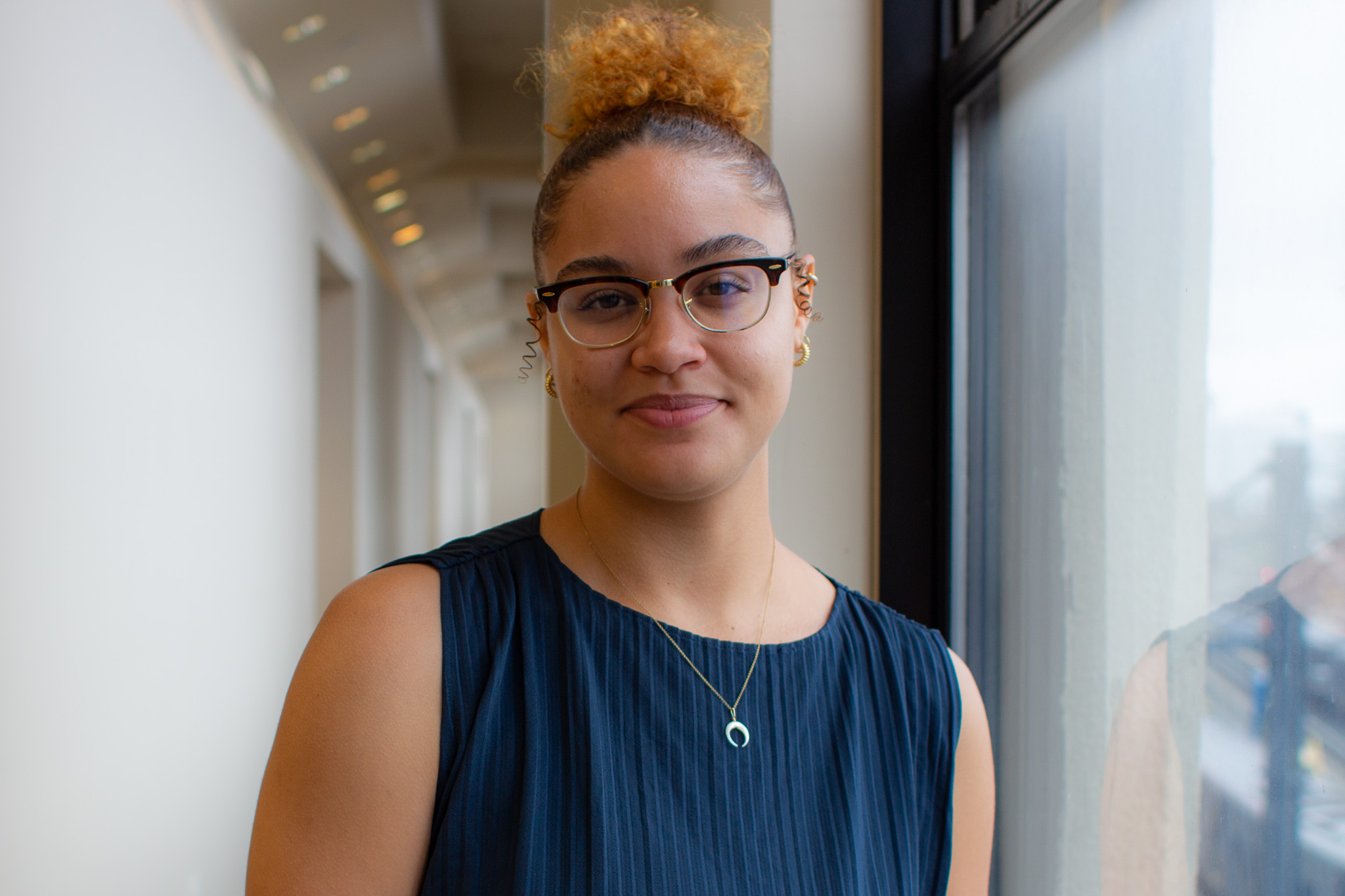
Earlier this year, Amour Castillo, a Project Manager for CRIS-J and a Ph.D. candidate, attended the Academic Consortium on Criminal Justice Health (ACCJH), a national conference focused on health and criminal justice. This gathering brought together researchers, clinicians, policymakers, and individuals directly affected by the criminal legal system, emphasizing the need to address disparities in care for marginalized populations.
At the conference, Amour presented the Rapid Qualitative Analysis (RQA) process used by Fortune, underscoring the importance of incorporating the perspectives and ideas of Fortune’s community members into their work. The presentation analyzed CRIS-J’s research methods, highlighting how feedback from CAB members with lived experience shaped their studies and continues to guide CRIS-J’s initiatives.
“Our Fortune community provided valuable suggestions and insights throughout the research process,” Amour explained. “We asked questions about what would be most helpful: What did participants and staff say they needed? What barriers were they facing when trying to access care?”
CRIS-J’s research identified common challenges faced by participants, such as difficulties navigating healthcare systems and accessing supportive services. These findings directly informed the creation of Community Health Advocates at Fortune, a role within CRIS-J designed to address these barriers through one-on-one communication and support for participants.
“People expressed a need for assistance in navigating services, both within and outside of Fortune,” Amour noted. “So, we created this role based on their feedback, and it has proven to be very impactful.”
In addition to presenting this analysis, Amour also led a session on community-based participatory research (CBPR), showcasing the long-standing partnership between The Fortune Society and its clinical collaborators, like Montefiore Einstein. This approach differs from traditional research models by actively involving community stakeholders at every stage, rather than limiting their involvement to recruitment or data collection.


“A lot of clinical research can be extractive,” Amour said. “In this collaboration, we’re focused on building something together and ensuring its sustainability. This is a key reason why our partnership with Montefiore Einstein has lasted for nearly a decade.”
As more institutions adopt participatory methods, there is greater recognition that individuals with lived experience offer critical insights into the systems being studied. At Fortune, this perspective is already integrated into practice and culture, especially through roles like Community Health Advocates, who use their experiences to assist others in navigating complex care systems.
“Those who come through Fortune’s doors possess immense knowledge,” Amour emphasized. “Unfortunately, that knowledge isn’t always valued as it should be.”
Looking ahead, the research team is preparing to expand this work into a multi-site, multi-year study that will test the implementation of the Community Health Advocate model in additional locations. The goal is to enhance engagement with community voices and maintain a commitment to building research that is both responsive and accountable.
This dedication to equity in research was recognized at the conference, where Amour received the Lynette Abdul Waliy Scholarship, which honors an advocate and scholar with lived experience who significantly influenced the field. Amour expressed that this acknowledgment of her work is especially meaningful to her.
“Much of my work is grounded in relationships, listening, and breaking the silences imposed by systems on people impacted by incarceration and their loved ones, so this recognition resonates deeply with me,” Amour said. “Being recognized alongside physicians and researchers shows that this work is important, and that lived experience is a form of expertise.”