BLOG
- CRIS-J
- Atlas HOPE
- Women Rising
- Supervised Release
- Digital Equity
- Recovery (the NEST)
- Care Management
- Housing
- Employment Services
- Education
- Family Services
- Alternatives to Incarceration
- Mental Health
- Substance Use
- Treatment Services
- Health Services
- Benefits Application Assistance
- Food and Nutrition
- Creative Arts
- Transitional Services
- DRCPP
- Events
- Participant Stories
- 2024
- 2025
- 2026
- AAPI
- activities
- advocacy
- affordable housing
- AI
- album release
- Annual Gala
- Anthony Rivera
- art
- Arts
- arts community
- Arts Festival
- Asian American
- ATI
- Atlas
- behavioral health
- Behind Bars
- Behind the bird
- benefits
- benefits access
- Better Living Center
- Beyond Release
- Black History Month
- BLC
- block party
- Bloomberg Fellowship
- book club
- bronx
- business owner
- C-CAP
- Career
- career readiness
- Career Readiness for Reentry
- career success
- CARES Act
- case management
- case manager
- Castle
- Castle Gardens
- castle play
- CEO
- chef troy
- Children
- choir
- Community
- community event
- counseling
- court advocacy
- court mandate
- creative
- Creative Arts
- CRIS-J
- culinary arts
- cybersecurity awareness month
- david rothenberg
- David Rothenberg Center for Public Policy
- DE
- DEI
- Delacorte
- desistance
- dest2nation
- Digital
- Digital Divide
- digital equity
- digital skills
- Diversity Equity and Inclusion
- donate
- DRCPP
- Drone
- Education
- election
- employment
- employment assistance
- employment services
- emplyoment
- entrepreneurship
- event
- exhibition
- fair
- fair chance for housing
- fair housing
- Fair Housing Month
- family
- family services
- Father's Day
- fatherhood
- film project
- food
- food and nutrition
- food insecurity
- food pantry
- food pantry bronx
- Fortune Faces
- Fortune Flyers
- Fortune Fresh. food access
- Fortune News
- fortune programs
- Fortune Singers
- Fortune staff
- Fortune50
- Freedom House
- fundraising
- Gala
- Gala2021
- gallery
- gardening
- GED
- giving
- group therapy
- Grow with Google
- guide
- GWG
- harlem block party
- healing
- health
- healthcare
- Healthcare Coordination
- healthy lifestyle
- Heritage Month
- HIV
- HIV/AIDS
- holiday party
- Hope and Justice
- housing
- HSE
- identity theft
- interns
- internship
- Joe's Pub
- Journey
- Justice in Action
- Labor Day
- leadership
- learning
- legislation
- legislative priorities
- LGBT
- LGBTQ
- LGBTQIA+
- mandaela
- Mandaela Community
- Marathon
- Martin Luther King Day
- mass incarceration
- Medicaid
- medical student
- Mental Health
- mental health treatment
- mentor
- mixtape
- mock interview
- MoMA
- MoMA PS1
- mothers day
- Music Cafe
- musical
- Native American
- NEST
- new hire
- new program
- new year
- New Year Message
- New York City
- newsletter
- nutrition
- nutrition counseling
- NYC Marathon
- online safety
- organizing
- Pacific Islander
- pantry
- parenting
- parents
- Participant Stories
- Path
- peer support
- Performance
- performing arts
- play
- policy
- policy center collective
- Pride
- Pride Month
- priorities
- professional
- professional development
- public benefits
- public health
- Public Theater
- Public Works
- readiness
- reconnecting
- Recovery
- reentry
- register
- register to vote
- research
- research center
- Resource Guide
- resources
- RISE
- Rob DeLeon
- robotics
- Runner
- second chance month
- service center
- Shakespeare in the Park
- Shelter
- short film
- show
- skill building
- skills building
- sky garden
- SNAP
- Solitary Confinement
- spring
- SRP
- staff
- staff highlight
- staff stories
- Stanley
- Stanley Richards
- storytelling
- substance use
- substance use treatment
- Success
- success story
- successful reentry
- supervised release
- support
- supportive housing
- Systems Babies
- Tax
- tax season
- tax services
- Taxes
- taxi
- Tech
- Tech Fair
- tech workshops
- Technology
- tempest
- Thanksgiving
- The NEST
- theatre
- therapy
- Training
- trans women
- transitional services
- treatment
- victor rojas
- visual art
- Volunteer
- volunteering
- vote
- voting
- voting rights
- webinar
- weekly groups
- WHM
- WIBO
- women
- Women rising
- Womens History Month
- workshop
- YEC
- youth
- youth justice
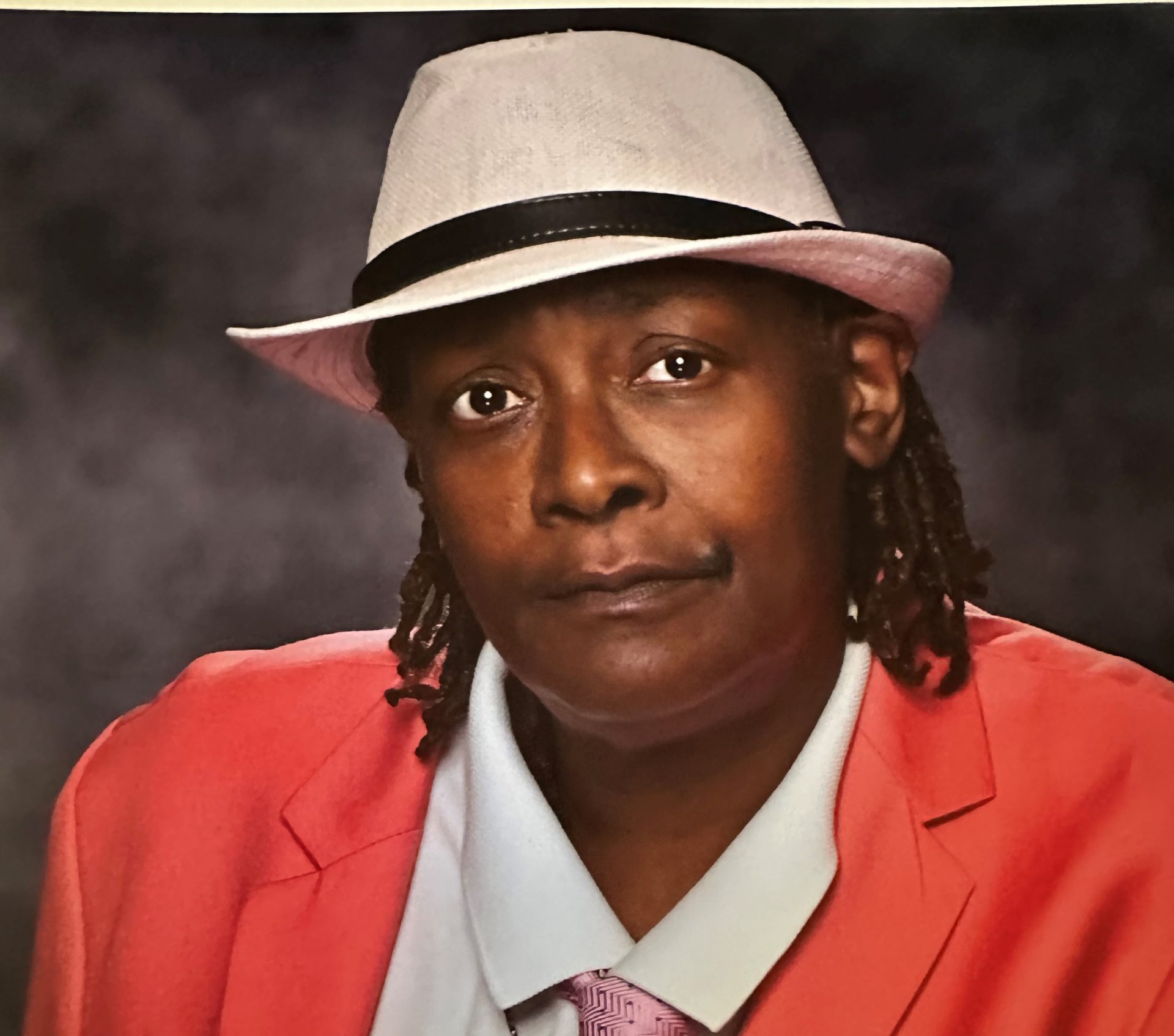
Helen ‘Skip’ Skipper Joins Women’s History Month Webinar
On March 19, The Fortune Society will host its annual Women’s History Month webinar platforming the unique perspectives and voices of women impacted by the criminal legal system. Panelists Serena Martin, Leah Faria, and Helen ‘Skip’ Skipper, with moderator Tiffany Vulcain, will discuss the challenges women face upon reentry from incarceration and the value of community support and reentry services.
Ahead of the upcoming webinar, we sat down with Skip, a panelist and Executive Director of the NYC Justice Peer Initiative, to learn about her lived experience, extensive history working in peer services, and the challenges she faced as a woman during incarceration.
Skip was impacted by the criminal legal system in a cycle that lasted for 25 years, including time spent incarcerated, being released, violating parole, and returning to jail. She shared that, as someone with a long history of substance use and untreated mental health issues, she struggled without receiving support or resources before returning to her community after release.
“I didn’t know of a better way than the way I was living,” Skip explained. “At the end of that cycle, I was finally introduced to recovery in the right way. They worked with me on my addiction, and they also addressed my mental illness. I had a therapist I could talk to and connect with, and I met a group of women who taught me how to grow up. Recovery was there, so I grabbed it, I loved it, and I kept it.”
Skip was later hired as a peer specialist, introducing her to what would become her life’s work. In learning about peer services, she realized that, naturally, Skip had acted as a peer specialist for others without ever realizing it.
“When I was on Rikers Island, my main job was always suicide prevention aid, which is just someone who is incarcerated, who sits on the unit, and who is available to talk to, and people navigate the space and surroundings,” Skip explained. “People would gravitate to the ones who’d already been there, like me.”
Skip has also worked with programs designed to support and uplift women with system involvement, such as the College and Community Fellowship, which works with women who are system-impacted and creates pathways for them to pursue higher education and/or vocational training. These types of women-focused programs are designed to address the unique challenges women face during incarceration.
Although men make up the majority of the incarcerated population in the United States, the population of women in incarceration is rapidly growing; in many states, women’s incarceration rates are climbing at a faster rate than men’s. However, as Skip points out, the experiences and needs of incarcerated women are often overlooked.
“Let's be clear, this system was not built for women,” Skip said. “The fact that these women often suffer from some type of trafficking or domestic violence that introduces us to the system, bringing women with that history into a system built for men only, traumatizes us further.”
As women’s needs are regularly disregarded in prisons and jails, Skip explained some of the gaps in care and support.
“We need parenting resources and nurseries. We need domestic violence resources. We need substance abuse and mental health programs. Why are we forced as a round peg to be shoved into a square hole because the system was built for the men?”
The annual Women’s History Month webinar will further explore these topics, shedding light on some of the challenges women face during incarceration. Register here to attend the webinar to hear from Skip and all the panelists.