
BLOG
- CRIS-J
- Atlas HOPE
- Women Rising
- Supervised Release
- Digital Equity
- Recovery (the NEST)
- Care Management
- Housing
- Employment Services
- Education
- Family Services
- Alternatives to Incarceration
- Mental Health
- Substance Use
- Treatment Services
- Health Services
- Benefits Application Assistance
- Food and Nutrition
- Creative Arts
- Transitional Services
- DRCPP
- Events
- Participant Stories
- 2024
- 2025
- 2026
- AAPI
- activities
- advocacy
- affordable housing
- album release
- Annual Gala
- Anthony Rivera
- art
- Arts
- Arts Festival
- Asian American
- ATI
- Atlas
- behavioral health
- Behind Bars
- Behind the bird
- benefits
- benefits access
- Better Living Center
- Beyond Release
- Black History Month
- BLC
- Bloomberg Fellowship
- book club
- bronx
- business owner
- C-CAP
- Career
- career readiness
- Career Readiness for Reentry
- career success
- CARES Act
- case management
- case manager
- Castle
- Castle Gardens
- CEO
- chef troy
- Children
- choir
- Community
- community event
- counseling
- court advocacy
- court mandate
- creative
- Creative Arts
- CRIS-J
- culinary arts
- cybersecurity awareness month
- david rothenberg
- David Rothenberg Center for Public Policy
- DE
- DEI
- Delacorte
- desistance
- dest2nation
- Digital
- Digital Divide
- digital equity
- digital skills
- Diversity Equity and Inclusion
- donate
- DRCPP
- Drone
- Education
- election
- employment
- employment assistance
- employment services
- emplyoment
- entrepreneurship
- event
- exhibition
- fair chance for housing
- fair housing
- Fair Housing Month
- family
- family services
- Father's Day
- fatherhood
- food
- food and nutrition
- food insecurity
- food pantry
- food pantry bronx
- Fortune Faces
- Fortune Flyers
- Fortune Fresh. food access
- Fortune News
- fortune programs
- Fortune Singers
- Fortune staff
- Fortune50
- Freedom House
- fundraising
- Gala
- Gala2021
- gallery
- gardening
- GED
- giving
- group therapy
- Grow with Google
- guide
- GWG
- healing
- health
- healthcare
- Healthcare Coordination
- healthy lifestyle
- Heritage Month
- HIV
- HIV/AIDS
- holiday party
- Hope and Justice
- housing
- HSE
- identity theft
- interns
- internship
- Joe's Pub
- Journey
- Justice in Action
- Labor Day
- leadership
- learning
- legislation
- legislative priorities
- LGBT
- LGBTQ
- LGBTQIA+
- mandaela
- Mandaela Community
- Marathon
- Martin Luther King Day
- mass incarceration
- Medicaid
- medical student
- Mental Health
- mental health treatment
- mentor
- mixtape
- mock interview
- MoMA
- MoMA PS1
- mothers day
- Music Cafe
- musical
- Native American
- NEST
- new hire
- new program
- new year
- New Year Message
- New York City
- newsletter
- nutrition
- nutrition counseling
- NYC Marathon
- online safety
- organizing
- Pacific Islander
- pantry
- parenting
- parents
- Participant Stories
- Path
- peer support
- Performance
- performing arts
- policy
- policy center collective
- Pride
- Pride Month
- priorities
- professional
- professional development
- public benefits
- public health
- Public Theater
- Public Works
- readiness
- reconnecting
- Recovery
- reentry
- research
- Resource Guide
- resources
- RISE
- Rob DeLeon
- robotics
- Runner
- service center
- Shakespeare in the Park
- Shelter
- skill building
- skills building
- sky garden
- SNAP
- Solitary Confinement
- spring
- SRP
- staff
- staff highlight
- staff stories
- Stanley
- Stanley Richards
- storytelling
- substance use
- substance use treatment
- Success
- success story
- successful reentry
- supervised release
- support
- supportive housing
- Systems Babies
- Tax
- tax season
- Taxes
- Tech
- Tech Fair
- tech workshops
- Technology
- tempest
- Thanksgiving
- The NEST
- theatre
- therapy
- Training
- trans women
- transitional services
- treatment
- visual art
- Volunteer
- volunteering
- voting
- webinar
- weekly groups
- WHM
- WIBO
- women
- Women rising
- Womens History Month
- workshop
- YEC
- youth
- youth justice
DRCPP Unveils 2026 Legislative and Policy Priorities
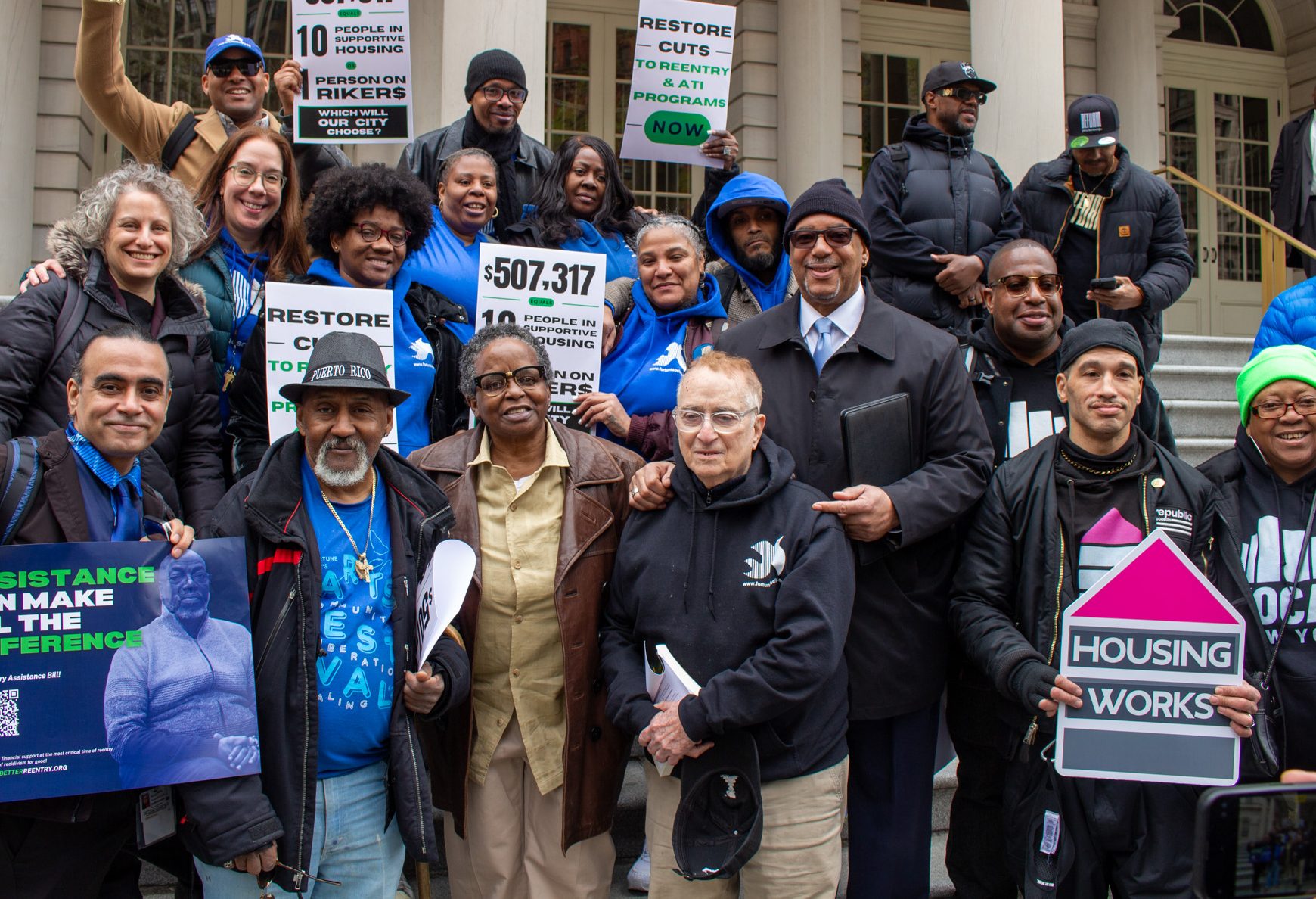
The David Rothenberg Center for Public Policy at The Fortune Society celebrates the progress made in 2025 and looks ahead to 2026, determined to achieve deeper justice, collaboration, and impact. Through alliances with diverse partners and coalitions, DRCPP advanced housing justice, advocated successfully for Alternative to Incarceration and Reentry resources, and secured passage of the Access to Public Benefits Act in the state Senate and the Jail is Not a Home Act by a unanimous vote of all Council Members present in the city. DRCPP was proud to co-lead the campaign for passage along with our partners at the Supportive Housing Network of New York and the Corporation for Supportive Housing. DRCPP was also excited to be part of advocacy for the Housing Voucher Access Program, which passed in 2025 and established a statewide rental subsidy program that includes eligibility for people leaving incarceration without stable housing.
The passage of the Just Home initiative marked a crucial step toward providing affordable and supportive housing for individuals with medically complex issues. Approved by the New York City Council in September, following years of advocacy from The Fortune Society and our partners, Just Home is vital for creating safe and stable homes for New Yorkers with complex medical needs leaving jail and at risk of homelessness. On January 1, 2026, we celebrated the one-year anniversary of the historic Fair Chance for Housing law taking effect. As co-leaders of the Fair Chance for Housing Coalition, throughout 2025 we continued to co-lead education and outreach by hosting information sessions for hundreds of community members, including nonprofits and city and state legislative staff to ensure people fully understand the law and how to seek recourse for discrimination based on conviction history. We will continue that work in 2026.
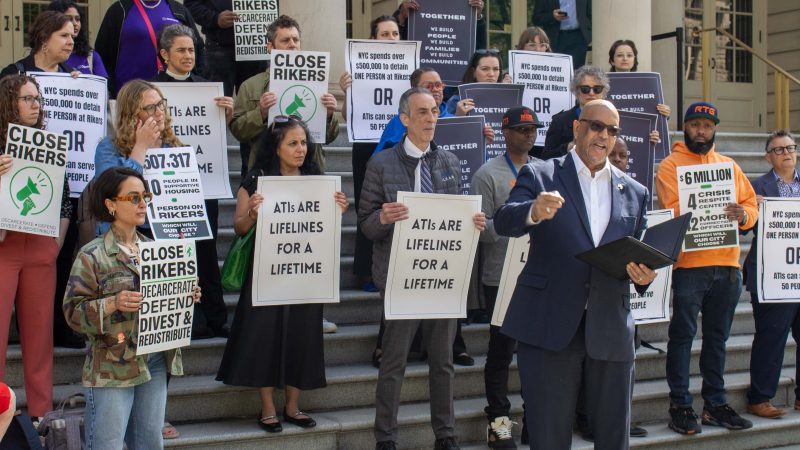
Now, we are excited to share our 2026 Legislative and Policy Priorities, which focus on driving systemic change as well as protecting previous legislative wins. This year, we remain committed to our three pillars of advocacy – decarceration, improving conditions of confinement, and promoting successful reentry – and have chosen priorities that reflect these overarching goals:
#CLOSERikers: The humanitarian crisis at Rikers Island continues. The Fortune Society therefore continues to advocate for the closure of Rikers Island, in accordance with the plan to complete and open four modern jail sites in Manhattan, Brooklyn, Queens, and the Bronx in 2027.
Protecting and Promoting Youth Justice:
- The Coalition to Protect Raise the Age: Build Futures, Invest in Youth: Along with more than 220 organizations statewide, The Fortune Society is committed to preserving New York’s landmark Raise the Age law, which raised the age to 18 at which a person is automatically prosecuted for all charges as an adult in New York.
- Youth Justice Innovation Fund (A.8491/S.643): For the promise of Raise the Age to be fully realized, The Fortune Society is also advocating for the Youth Justice Innovation Fund, which would direct $50 million to community-based organizations to provide a continuum of services – including prevention, early intervention, and alternatives to incarceration – for young people aged 12 through 25. The Youth Justice Innovation Fund seeks to streamline the process for securing funding allocated by Raise the Age to organizations that can best steward those resources into effective programming for youth.
- Youth Justice and Opportunities Act (A.4238/S.3426): The Youth Justice and Opportunities Act (YJ&O) would create a new “Young Adult” status, similar to Youthful Offender status, to people under 25 who currently face the threat of permanent criminal convictions and adult prison sentences. YJ&O recognizes that young people’s development continues through their mid-twenties and therefore young people should not face lifelong collateral consequences. This effort is critical in advancing racial justice as well because the majority of young people arrested in New York are Black and Latinx.
Supporting Successful Reentry:
- Reentry from the Inside Out (A.3934/S.5061 and A.3935/S.5059): Reentry from the Inside Out (RIO) recognizes that reentry must start before people have been released from prison to set them up for success. The two bills that make up RIO are the Reintegration Pilot Program Act (A.3934/S.5061), which establishes a pilot program to provide access to a range of reentry services before and after release, and the Access to Public Benefits Act (A.3935/S.5059), which requires the New York State Department of Corrections and Community Supervision (NYDOCCS) to coordinate with social service agencies and nonprofits to assist with benefits applications before release. The Access to Public Benefits for Reentry Act passed the Senate in 2025, so we look forward to building upon that momentum to fully pass and implement RIO in 2026.
- Transitional Reentry Health Act (A.1008/S.614): The Transitional Reentry Health Act requires prisons and jails to provide Medicaid enrollment assistance to all people leaving incarceration.
- Reentry Assistance Bill (A.6990/S.6222): This initiative establishes a reentry fund to provide eligible individuals with a monthly stipend of $425 for up to 6 months upon release from a state correctional facility, ensuring financial support during the critical reentry period.
The Fortune Society will also advocate for the following pieces of legislation and campaigns:
Compassion and Reproductive Equity (CARE) Act (A.7630A/S.7132A): The CARE Act establishes a comprehensive, human rights-based statutory policy to address the needs of incarcerated pregnant and postpartum individuals and their children, ensuring their welfare and protection.
- Eliminate Mandatory Minimums (A.2036/S.6471A): Eliminates mandatory minimum sentences, giving judges greater discretion to make individualized determinations and establishing a presumption against incarceration.
- Second Look Act (A.531/S.321): Allow people who have served half or 10 years of their sentences to apply for reconsideration and possible reduction of their terms of incarceration.
- Earned Time Act (A.1128A/S.774): Expand opportunities to earn “good time” and “merit time” credited against a prison sentence.


Treatment Court Expansion Act (A.4869/S.4547): The Treatment Court Expansion Act would expand access to judicial diversion for people with mental health issues and cognitive impairments.
Promoting Parole Justice:
- Fair and Timely Parole (A.127/S.159): Fair and Timely Parole would provide a more meaningful parole review process for incarcerated individuals who are already parole-eligible, and it would ensure that people are evaluated for release based on who they are today, including rehabilitation, personal transformation, and their current risk of violating the law.
- Elder Parole (A.514/S.454): Elder Parole would provide incarcerated people aged 55 and older who have already served 15 years or more an opportunity for parole release consideration. This includes some of the state’s sickest incarcerated people.


